Pleasure Craft & Commercial Vessel Insurance: The Importance of Proper Protection

Greece is one of the world’s leading destinations for marine tourism. Thousands of private and commercial vessels operate in Greek waters every day, creating an increased need for comprehensive insurance protection.

Owning a vessel represents a significant investment, while operating it commercially brings additional responsibilities and risks.

Proper vessel insurance goes beyond fulfilling a legal obligation. It is an essential tool for protecting your assets, the people on board and your business activities.

What Does Vessel Insurance Cover?

Depending on the type of vessel, its use and the insurance programme, the following covers may be available:

  • Third-Party Liability: Protection against compensation claims for bodily injury or property damage to third parties.
  • Hull & Machinery: Cover for damage to the vessel itself and its machinery arising from insured risks.
  • Fire and Explosion: Financial protection against damage caused by covered incidents.
  • Theft: The option to cover total or partial theft, in accordance with the policy terms.
  • Marine Risks: Cover for incidents such as collision, grounding or sinking, where included in the policy.
  • Marine Pollution: Cover for specified liabilities that may arise from pollution incidents.
  • Wreck Removal: The option to cover associated expenses, subject to the applicable conditions.

The scope of protection, deductibles and compensation limits vary between insurance companies and programmes.
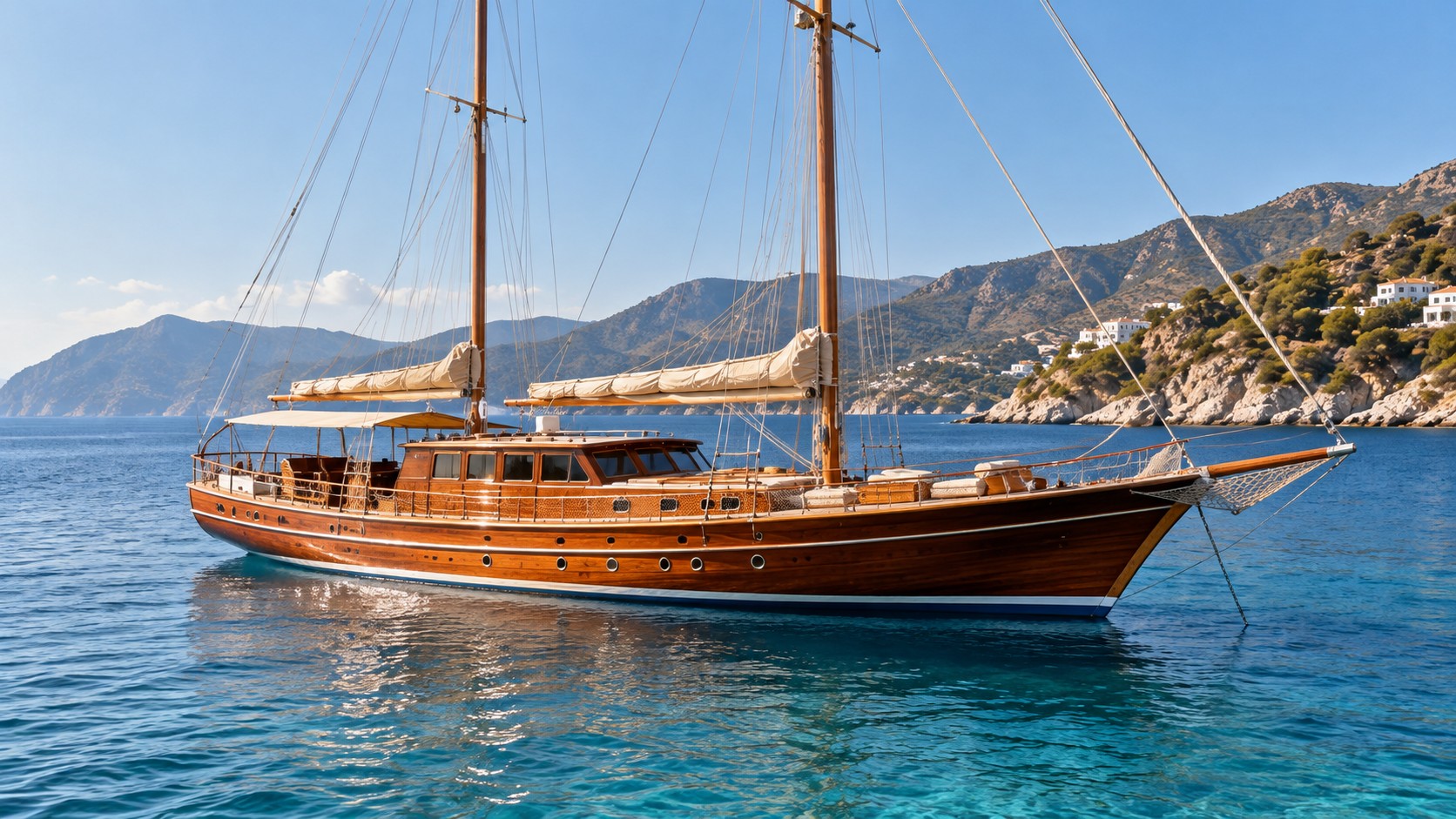
Traditional wooden gulet anchored near a Greek island

Commercial Vessel Insurance: A Different Approach

Commercial vessels, such as day-trip boats, commercial pleasure craft and vessels offering organised sea excursions, have a different insurance profile from private vessels.

Passenger transport, voyage frequency, navigation area and commercial activities require particular attention when planning insurance cover.

In these cases, the following aspects are examined in greater detail:

  • Liability towards passengers and third parties.
  • The insured value of the vessel and its equipment.
  • The possibility of covering broader maritime liabilities through appropriate P&I solutions.
  • Potential cover for loss of income following insured damage.
  • Compliance with the insurance requirements in force.

Why the Lowest Price Does Not Always Mean Better Insurance

Two vessel insurance policies may differ significantly in price, but also in the protection they provide.

For example, a lower-cost programme may cover only compulsory third-party liability, while a more comprehensive programme may also protect the value of the vessel itself.

Your choice should be based on the vessel’s actual use, its value, the insured risks and the owner’s needs.
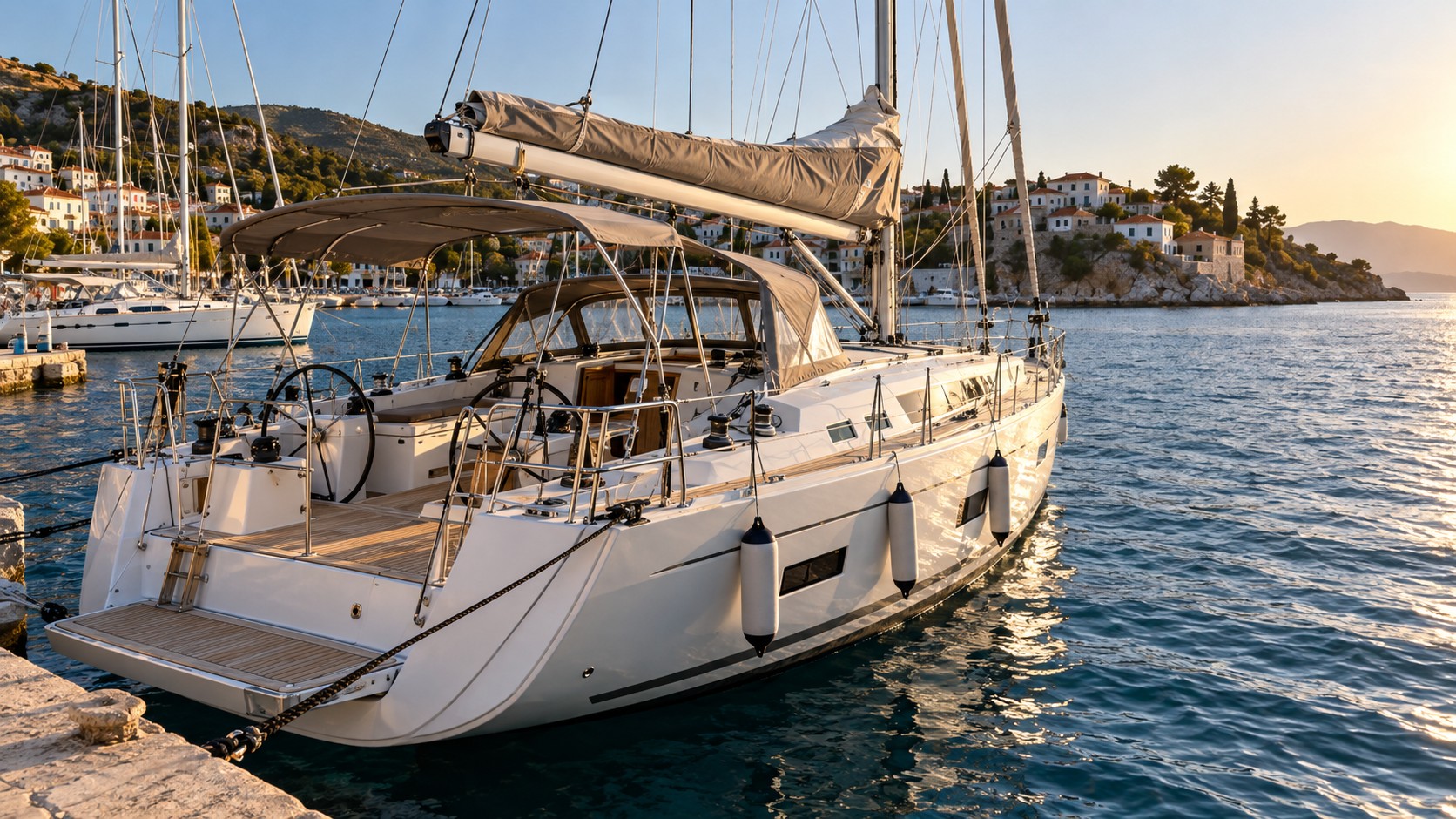
Sailing yacht moored in a Greek island marina

My Expertise in Vessel Insurance

As a certified Insurance Advisor at Protect Insurance, I specialise in insurance for private and commercial pleasure craft, with experience in managing insurance needs involving high-value vessels and businesses operating in marine tourism.

My approach is based on a personal assessment of each case, because no two vessels have exactly the same needs.

Through my cooperation with insurance companies in the Greek market, my aim is to provide:

  • A tailored insurance proposal based on the type and use of your vessel.
  • A comparison of available insurance solutions, focusing on cover rather than price alone.
  • Personal service, from the initial assessment through to policy issuance.
  • Support in the event of damage, with guidance through the claims notification and settlement process.

For me, insuring a vessel is more than issuing a policy. It means building a lasting relationship of trust with the owner or professional who entrusts me with protecting their assets.

Request a Tailored Vessel Insurance Quote

Whether you own a private pleasure craft or operate professionally in marine tourism, the right insurance protection begins with understanding your actual needs.

Diani Kotsi | Certified Insurance Advisor
Protect Insurance

Visit my website

Contact me to explore the available insurance options for your vessel together.

Private Health Insurance in Greece: What to Know Before Choosing a Plan

Private health insurance in Greece can offer access to private healthcare and financial protection when you need hospital treatment. However, plans vary considerably in their benefits, deductibles, hospital networks, limits, exclusions and cost.

Before choosing a policy, it helps to understand what it covers, how you can use it and what you may still need to pay yourself. This guide explains the main points to consider when comparing health insurance in Greece.

1. What can private medical insurance cover?

Depending on the insurer and the specific plan, private medical insurance in Greece may include:

  • Hospital stays and surgical procedures
  • Doctors’ and surgeons’ fees
  • Day-case treatment without an overnight stay
  • Diagnostic tests and medical consultations
  • Emergency treatment
  • Treatment abroad
  • Preventive health checks

These benefits are not automatically included in every policy. Check the limits, eligibility rules, waiting periods and exclusions for each benefit. Two policies with similar premiums can provide very different protection.

2. Understanding the deductible or excess

The deductible, also called an excess, is the amount of eligible expenses you pay yourself before the insurer contributes, as defined by your policy. Some plans also include a percentage contribution or other out-of-pocket costs.

For illustration, a plan might have a €0, €500 or €1,500 excess, or a higher excess in exchange for a lower premium. These are examples, rather than a quotation or a list of available products.

Ask whether the excess applies per admission, per event or per policy year. Check whether using a public insurance provider or a particular hospital changes your contribution. A lower excess is not automatically the best choice: the right balance depends on your budget and the costs you could comfortably meet yourself.

3. Check the hospital network

Before choosing a plan, confirm which hospitals are in the insurer’s network and under what conditions. Consider the hospitals close to your home and whether the locations you prefer are included.

Ask how treatment is paid for: can the insurer settle eligible expenses directly with the hospital, or must you pay first and claim reimbursement? Also check the rules for non-network hospitals, prior authorisation and treatment abroad. A high annual cover limit alone does not tell you where or how you can use the policy.

Couple enjoying a walk in a park

4. Inpatient and outpatient benefits are different

Inpatient cover generally concerns hospital treatment that meets the policy’s admission requirements. Surgery, day-case procedures and emergency care may have their own conditions.

Outpatient benefits, such as medical consultations, diagnostic tests and preventive checks, may be separate benefits or optional additions. Some arrangements provide discounted access rather than reimbursement of the full cost. Review these benefits separately instead of assuming that a hospital plan covers every medical need.

5. Pre-existing conditions, exclusions and waiting periods

When applying for cover, you will usually be asked about your medical history. Provide complete and accurate answers to the insurer’s questions. The insurer may request further information or medical tests before deciding whether and on what terms to offer cover.

Pre-existing conditions may be subject to special terms or exclusions; acceptance and coverage depend on the insurer’s assessment and the policy wording. Check waiting periods and obtain clear written explanations of any restrictions before accepting a policy.

6. Is the cheapest plan the best option?

Price matters, but it should not be the only deciding factor. A lower premium may reflect a higher excess, a narrower hospital network or fewer benefits. An expensive plan is not necessarily the most suitable one either.

The aim is to find a sustainable balance between cost, cover and your actual needs. Consider the overall annual cost, potential contributions when you use the policy and the terms that govern future premium changes.

7. What should you compare?

  • Annual cover limits and any limits for individual benefits
  • Deductible, percentage contributions and other costs you pay
  • Hospital network and payment arrangements
  • Cover in Greece and abroad
  • Hospital accommodation level
  • Inpatient, day-case and outpatient benefits
  • Exclusions, special terms and waiting periods
  • Prior authorisation and claims procedures
  • Renewal terms and how premiums may change
  • Total annual premium and affordability over time

Compare the same benefits across plans, rather than looking only at the quoted premium. If you already have cover, review the consequences of replacing it, including any new assessment, exclusions or waiting periods, before making a change.

Insurance advisor presenting options to clients

8. Why your insurance advisor matters

Choosing a plan is only the first step. An insurance advisor in Greece can explain the terms in plain language, compare available options and help you understand the procedures when you need to use your policy.

During a hospital admission or claim, having a familiar person to contact can make the process easier. Your advisor can help with documents, prior authorisation requests and communication with the insurer. Coverage and claim decisions remain subject to the insurer’s assessment and the policy terms.

Personal guidance from Diani Kotsi

My approach starts with your circumstances, priorities and budget. As Diani Kotsi, your personal insurance advisor, I compare available insurance solutions and explain the benefits and trade-offs so you can make an informed choice.

My support continues after your policy is issued. You have a specific person to contact for questions, guidance during hospital treatment, help with claims procedures and a review when your needs change. Clear communication and ongoing service are central to how I work.

Already have health insurance? Request a free policy review

We can review your existing policy together, including its benefits, excess, hospital network and cost, to assess whether it still meets your needs. The review is free and without obligation.

Contact Diani Kotsi to book your free health insurance policy review →

Call +30 6970844939 or email dianiskwtsh@gmail.com to arrange a conversation.

Affordable Car Insurance in Greece: How to Find the Right Coverage at a Better Price

Finding affordable car insurance in Greece does not necessarily mean choosing the cheapest policy available.

Two car insurance policies may have a similar price but offer significantly different coverage, limits, deductibles and terms.

That is why, when looking for cheap car insurance, the goal should be to find the right balance between a competitive price and adequate coverage, based on the driver’s needs and the vehicle.

Case Study: Finding More Affordable Car Insurance

Recently, we assisted a driver who was looking to renew their existing car insurance policy and wanted a more affordable option without sacrificing important coverage.

Instead of simply choosing the insurance company offering the lowest premium, we compared the available options based on both price and coverage.

Among other things, we considered:

  • Third-Party Liability
  • Accident Assistance
  • Uninsured Driver Coverage
  • Roadside Assistance
  • Legal Protection
  • Glass Breakage
  • Fire & Theft
  • Natural Disasters
  • Own Damage / Comprehensive Insurance, where required

This approach allows the insured to understand not only how much their car insurance costs, but also exactly what protection they receive for their money.

Driver holding a car steering wheel

What Affects the Cost of Car Insurance in Greece?

Car insurance prices in Greece can vary depending on several factors, including the vehicle, the driver, the selected coverage and the pricing policy of each insurance company.

For this reason, before purchasing or renewing a policy, it is useful to compare car insurance options rather than simply accepting the first available quote.

A lower premium does not always mean better value. The coverage, exclusions, limits and deductibles should also be taken into consideration.

Basic, Fire & Theft or Comprehensive Car Insurance?

The right type of car insurance depends on the vehicle and the individual needs of its owner.

Basic Car Insurance: Includes mandatory Third-Party Liability and, depending on the policy, can be combined with additional optional coverage.

Fire & Theft Insurance: Adds protection for specific risks affecting your own vehicle, subject to the terms and conditions of the insurance policy.

Comprehensive Car Insurance: Can provide coverage for damage to your own vehicle as well, subject to the applicable deductibles, limits and terms of the selected policy.

Roadside assistance and support for a motorist

How Can You Find Affordable Car Insurance?

Finding affordable car insurance is not simply about searching for the lowest possible price.

The right approach is to compare available options based on price, coverage, limits, deductibles and policy terms.

The objective is to identify an insurance solution that is competitively priced while still providing the protection you actually need.

Already Have Car Insurance?

If you already have an active car insurance policy, we can review your existing coverage and compare it with other available options.

This can help determine whether there is an opportunity to obtain more affordable car insurance while maintaining the coverage that matters to you.

You can also send us your existing policy so that we can review the current coverage and identify possible alternatives.

Get a Car Insurance Quote in Greece

If you are looking for affordable car insurance in Greece, you can contact me to review the available options based on your vehicle, your requirements and your budget.

We can compare solutions for basic car insurance, Fire & Theft and Comprehensive Car Insurance, helping you understand the differences before making your decision.

Whether you are a Greek resident or an expat living in Greece, I can assist you throughout the process in English and explain the available coverage and insurance terms clearly.

Diani Kotsi – Insurance Advisor Expert